
Gas chlorine is widely used for disinfection in municipal water treatment, wastewater treatment, cooling-water systems and industrial applications. Its effectiveness, controllability and suitability for high-capacity applications make a gas chlorination system an important solution for many treatment plants.
However, chlorine is hazardous and requires carefully engineered storage, handling, dosing, detection and emergency-response systems.
Industry guidance published by The Chlorine Institute, Inc., together with applicable regulations, Safety Data Sheets (SDS), manufacturer recommendations and site-specific risk assessments, provides an important framework for safe chlorine handling.
The fundamental principle is simple:
Chlorine safety should be engineered into the complete chlorine handling system.
1. Use Vacuum-Operated Chlorination
A vacuum chlorinator provides an important safety advantage because significant portions of the chlorine dosing system operate below atmospheric pressure.
Operators should routinely inspect the chlorinator, valves, flexible connections and associated equipment for corrosion, deterioration, abnormal pressure or vacuum conditions and leakage. Safety interlocks should never be bypassed during normal operation.
2. Handle Chlorine Containers Safely
The safety of a chlorine handling system begins with proper storage and handling of cylinders and ton containers.
Containers should be stored in designated areas, protected against physical damage and handled using suitable equipment. Particular care is necessary during container changeover because valves, flexible connectors, gaskets and joints can become potential leak points.
3. Avoid Excessive Manifolding
The practical gas withdrawal rate from chlorine containers is affected by ambient temperature, consumption rate and operating conditions. Excessive withdrawal can cause inadequate vaporization and significant cooling of the container.
A chlorine vaporizer is typically used where chlorine demand exceeds the practical capacity of normal gas withdrawal arrangements.
4. Install Chlorine Gas Leak Detection
Early leak detection is essential for chlorine gas safety.
Detector positioning should consider potential leak points, room configuration, ventilation and chlorine's physical characteristics. Detectors should also be routinely tested and calibrated according to manufacturer recommendations.
5. Provide a Chlorine Leak Absorption System
Leak detection provides warning; containment provides another layer of protection.
A properly engineered chlorine leak absorption system, commonly called a chlorine scrubber, can collect chlorine-contaminated air and treat it through an appropriate absorption process.
A typical system may include a scrubber, chemical solution tank, circulation pumps, blower, valves, instrumentation and control equipment.
6. Maintain Emergency Equipment
Depending on the plant's risk assessment, chlorine emergency equipment may include:
- Chlorine emergency repair kits
- Self-contained breathing apparatus (SCBA)
- Appropriate respiratory protection
- Protective clothing
- Emergency shower and eyewash facilities
- Leak detection and containment equipment
The Chlorine Institute, Inc. publishes guidance and emergency-response information relevant to chlorine handling, including emergency kits for chlorine containers.
An SCBA or other emergency equipment should never be viewed as permission for an untrained operator to enter a chlorine-contaminated atmosphere.
7. Follow Preventive Maintenance Practices
A reliable gas chlorination system depends on more than the main chlorinator.
Flexible connectors, manifold valves, gas filters, pressure instruments, vacuum regulators, gaskets, injectors and piping should all be included in the preventive-maintenance program. See our range of chlorination accessories and spares.
Personnel should look for corrosion, damaged connections, deteriorated seals, abnormal instrument readings and evidence of leakage.
8. Train Operators and Conduct Emergency Drills
Even a well-designed chlorine handling system requires competent personnel.
Operators should be trained in chlorine hazards, normal startup and shutdown, container changeover, vacuum chlorinator operation, alarm response, emergency isolation, evacuation and PPE requirements.
9. Follow Chlorine Institute Guidance
The Chlorine Institute, Inc. is a recognized industry organization providing technical and safety guidance concerning chlorine manufacture, transportation, handling and use.
Plant designers, owners and operators should consider relevant Chlorine Institute publications alongside:
- Applicable statutory and environmental requirements
- Chlorine supplier Safety Data Sheets
- Equipment-manufacturer instructions
- HAZOP or other formal risk assessments
- Site-specific operating procedures
- Emergency-response plans
Gas Chlorination Equipment from Industrial Devices
Industrial Devices (India) Pvt. Ltd. manufactures gas chlorination and associated safety equipment for municipal and industrial water-treatment applications, including vacuum chlorinators, chlorine vaporizers, chlorine leak detection systems and chlorine leak absorption systems.
For system selection, important design information includes water flow rate, required chlorine dosage, maximum chlorine consumption, application and operating conditions. Request a quote with these details and our team will recommend a suitable system.
Read more
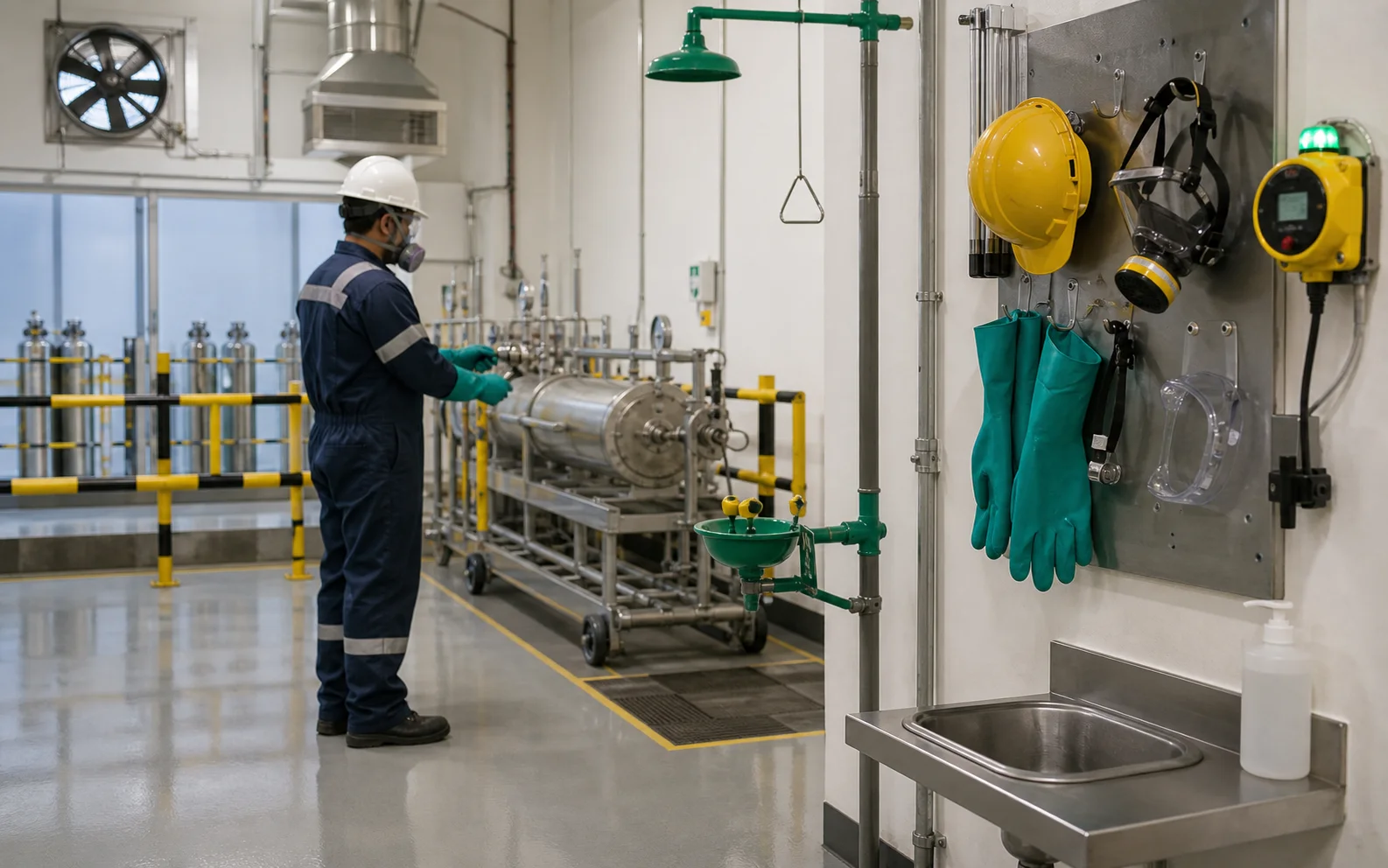
Advanced Safety Protocols for Chlorine Handling
Comprehensive guide to implementing world-class safety measures for chlorine storage and handling in treatment facilities.
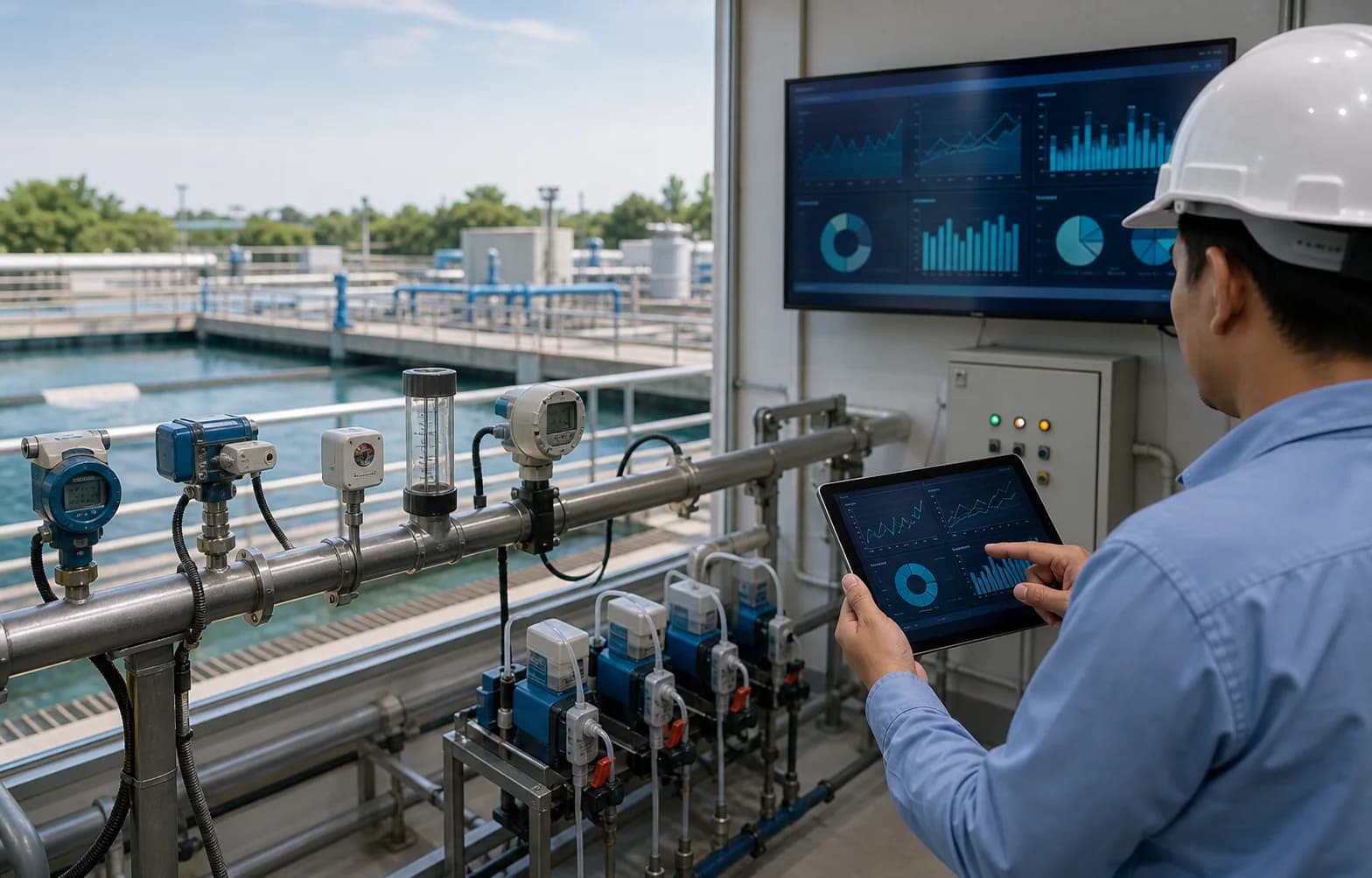
Revolutionizing Water Treatment with IoT Integration
Discover how the integration of IoT sensors enables real-time monitoring, predictive maintenance, and optimized chlorine dosing for municipal water systems.
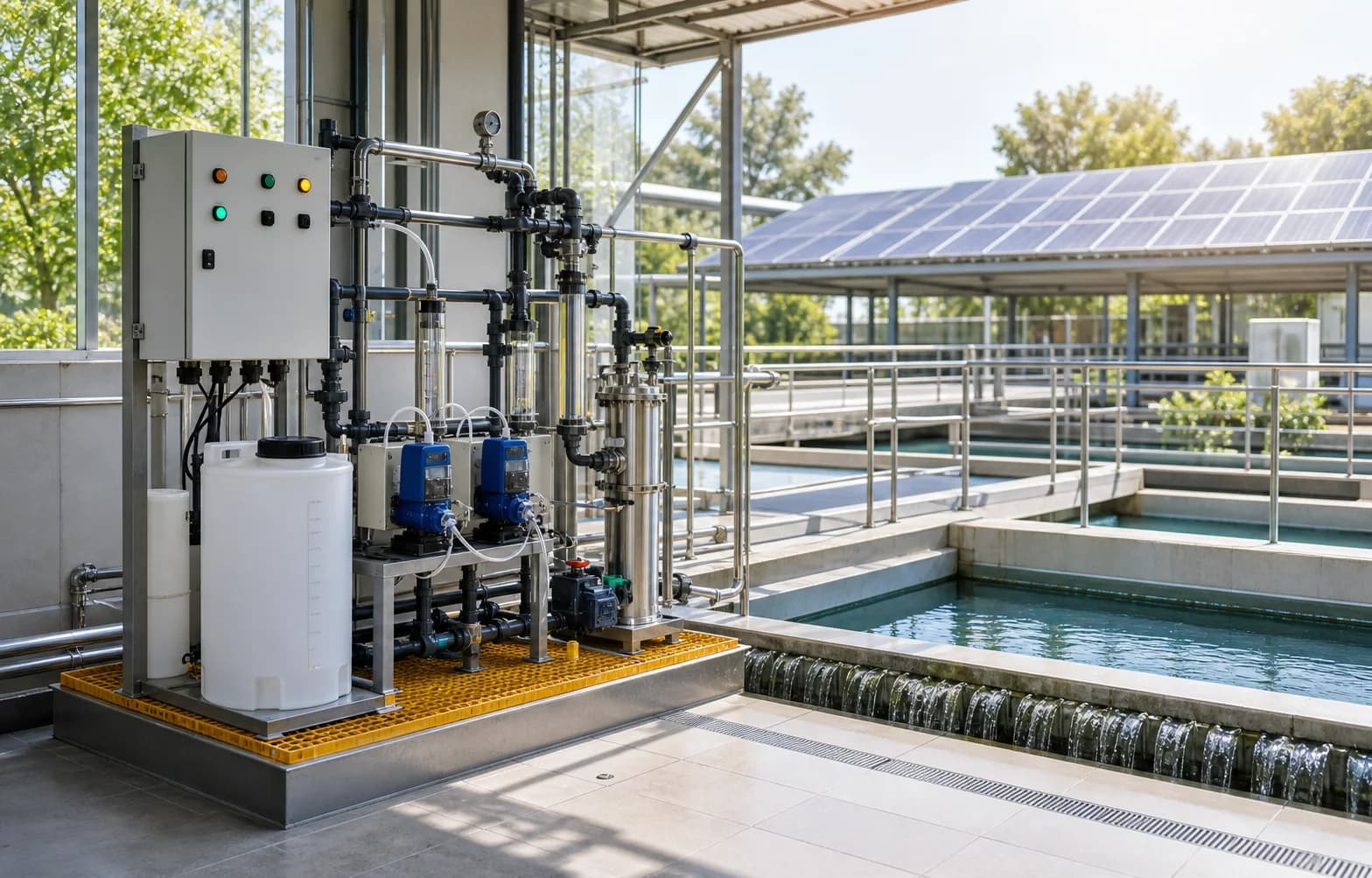
Sustainable Chlorination Practices in 2026
A look at the newest sustainable approaches that are shaping environmentally responsible water treatment operations across industries.